
Quick3D Automotive
Quick 3D[Our Services]
[OVERVIREW]
Novel designs, rapid iteration, and innovative business models
-
[AUTOMOTIVE]
Additive manufacturing allows for rapid functional prototyping of complex automotive components and the creation of on-demand tooling – increasing design flexibility, shortening product development timelines, and streamlining production.
The technology also enables new business models and supply chains based on localized production, digital warehouses and the on-demand production of both custom components and spare parts.
Bespoke Automotive Solutions
-01
3D Printing Services
-02
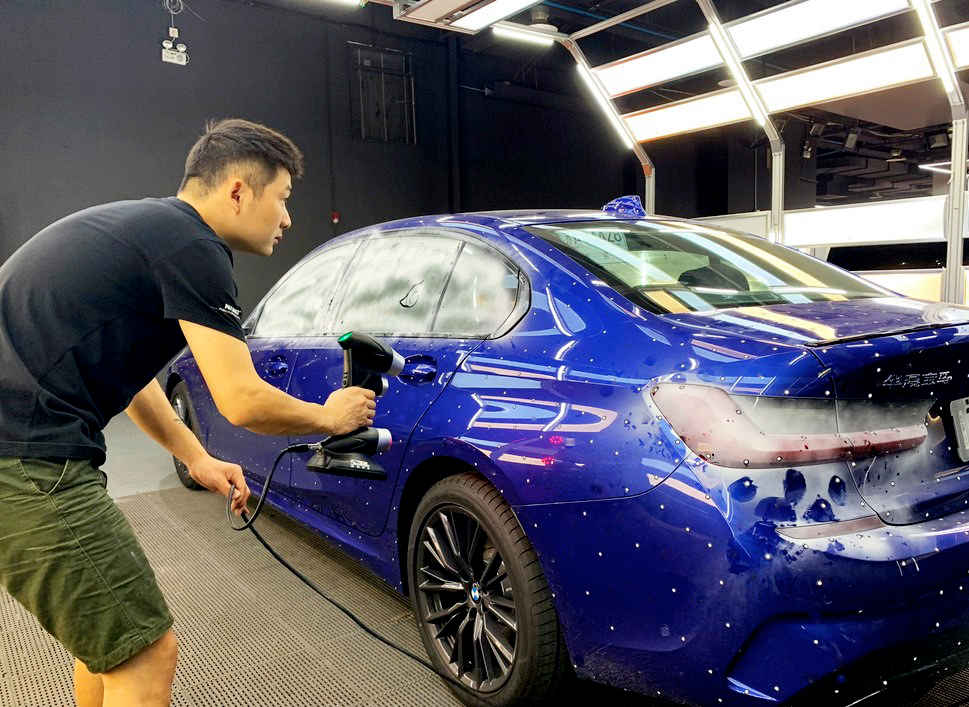
3D Scanning Services
Our state-of-the-art 3D scanning technology captures precise digital models of objects for duplication, restoration, or modification. Perfect for automotive part replication, heritage preservation, and industrial applications, our scanning services ensure accuracy, speed, and reliability in reverse engineering and quality control.
-03
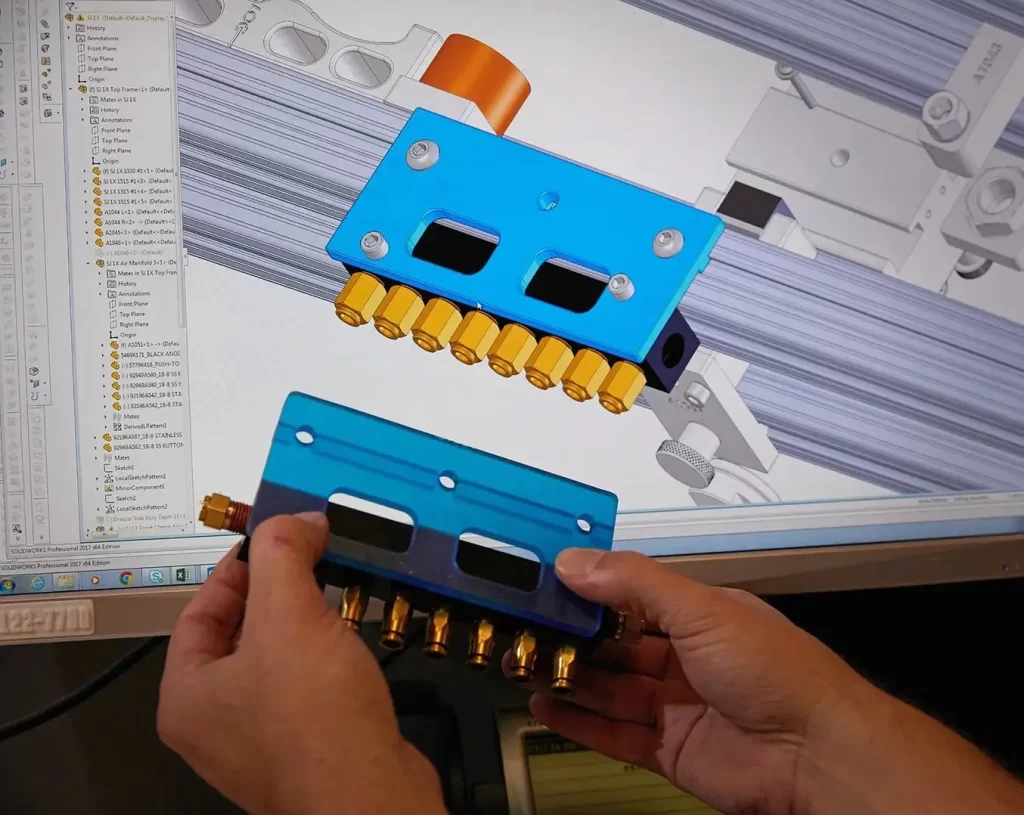
3D CAD Designing Services
Quick3D provides expert CAD design services to turn your ideas into detailed, manufacturable digital models. Our designers work closely with you to develop functional, aesthetically pleasing designs that meet your exact specifications, whether it’s for prototyping, tooling, or large-scale production.
Use by case
-
Restoration
-
Composite Tooling
-
Duplications
-
Automotive Modifications
-
Prototyping
-
Manufacturing R&D
-
Tooling
-
Batch Productions
Automotive Parts Restorations
Using 3D printing for automotive restoration and customization.
In this case, a worn Weber 40 DFI-6 carburetor for a Ferrari 365 GT 2+2 V-12 engine was recreated using 3D Printing method.
The final part was printed from 316 stainless steel with bronze infiltration.
3D printing also used to produced a Corteco fuel pump body for a 1951 Alfa Romeo 6c 2500 engine using metal binder jetting.
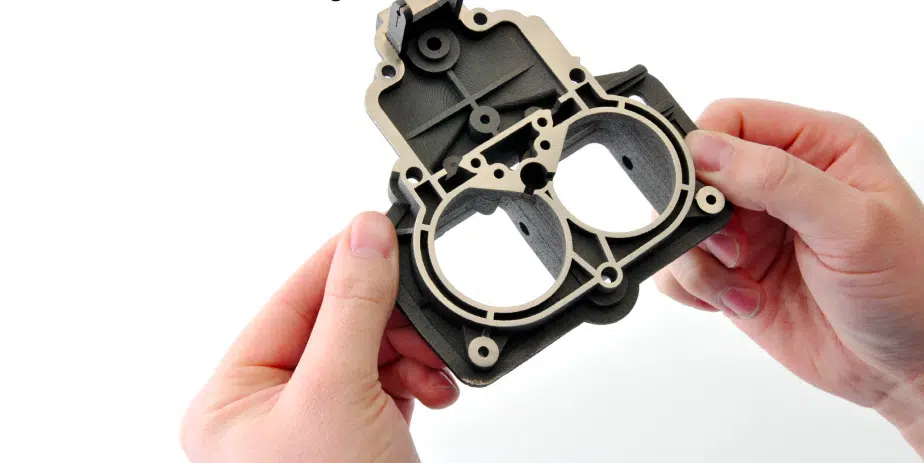
3D printed carburetor component for the Ferrari 365 GT 2+2 V-12 engine
Produce High-Detailed Composites Tooling
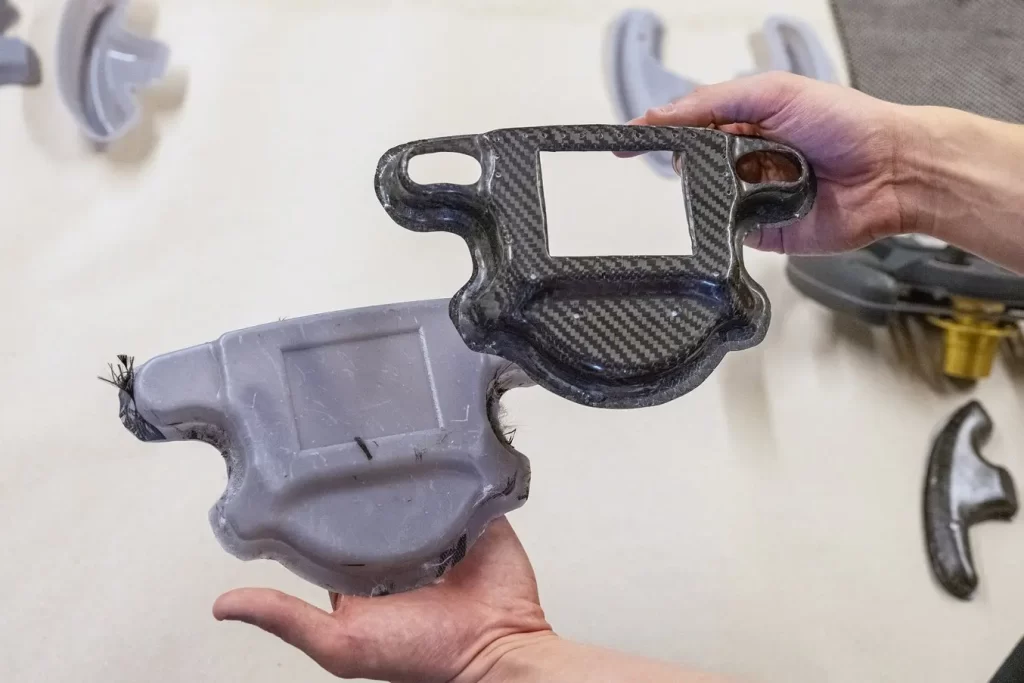
3D printed composite tooling (grey parts) and carbon fibre parts
Parts duplications
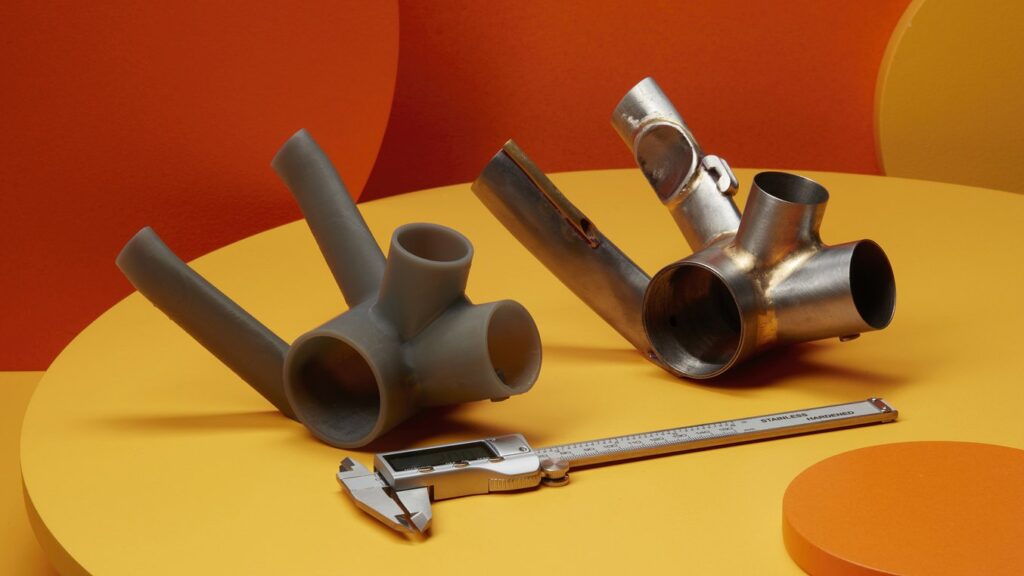
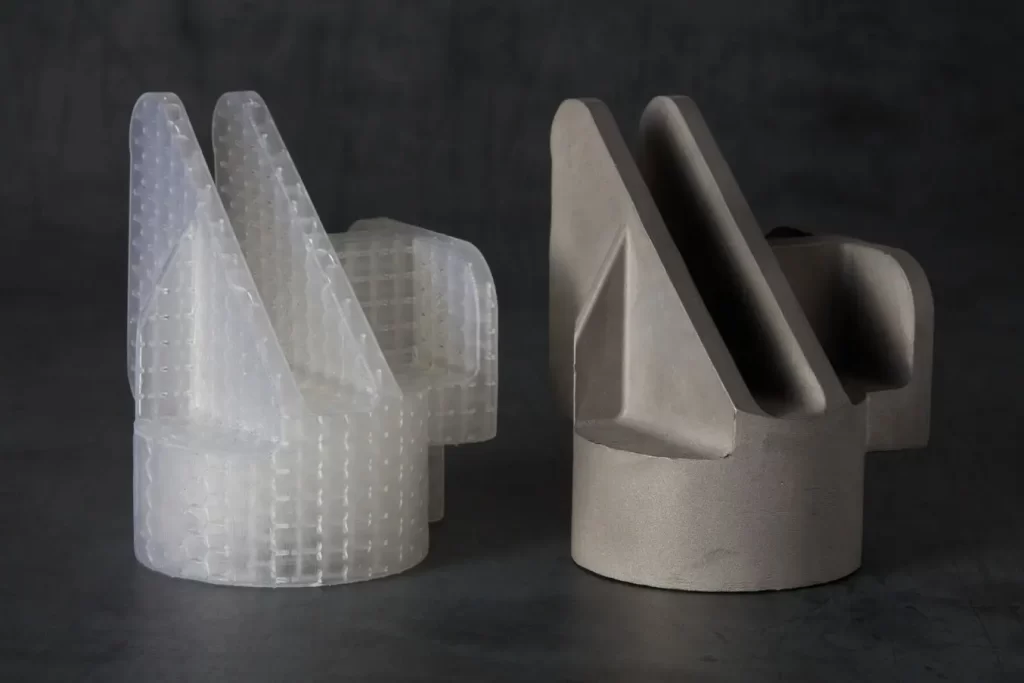
3D printed parts and its metal counterpart
Automotive Parts Modifications
3D scanning for automative part modification
Rapid Prototyping for Automotive
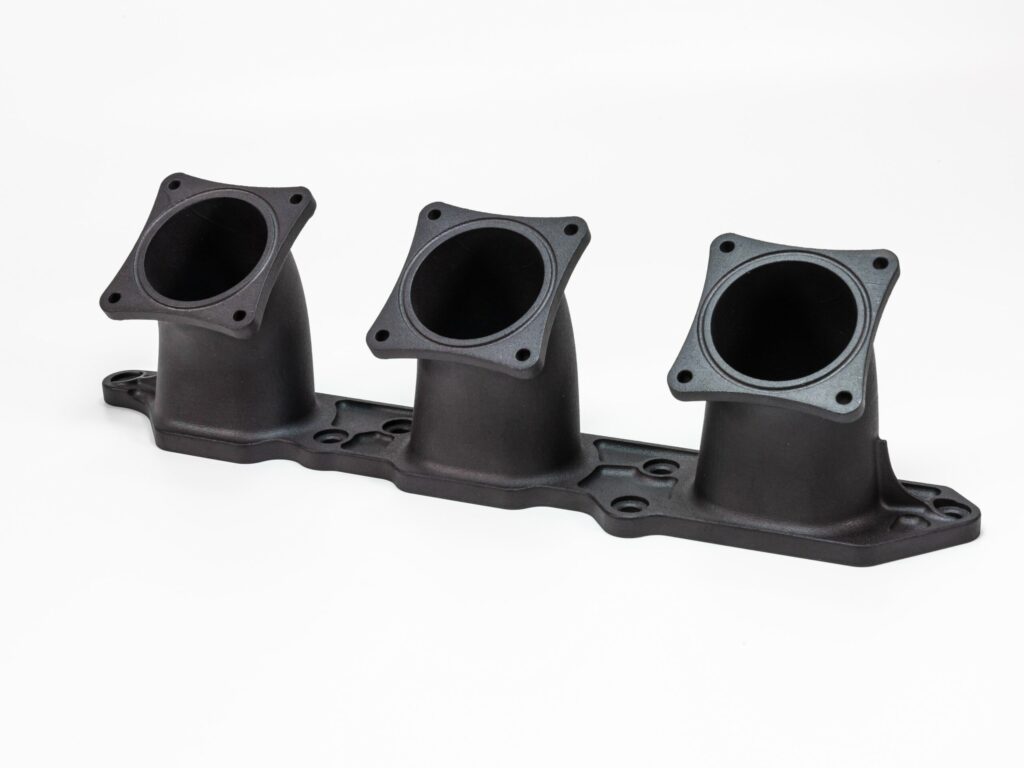
Using 3D Printing to Make Heat-Resistant End Use Parts and Spares for Motorsport
The new manifold design was printed using the Rigid 10K Resin at a 100 microns layer height, creating a smooth surface without visible layer lines.
As for the finish, Pirazzini used classic water-based sandpaper to smooth the surface. Unlike an FDM manifold, which has to be treated externally and internally to be watertight, SLA printing creates solid and waterproof parts.
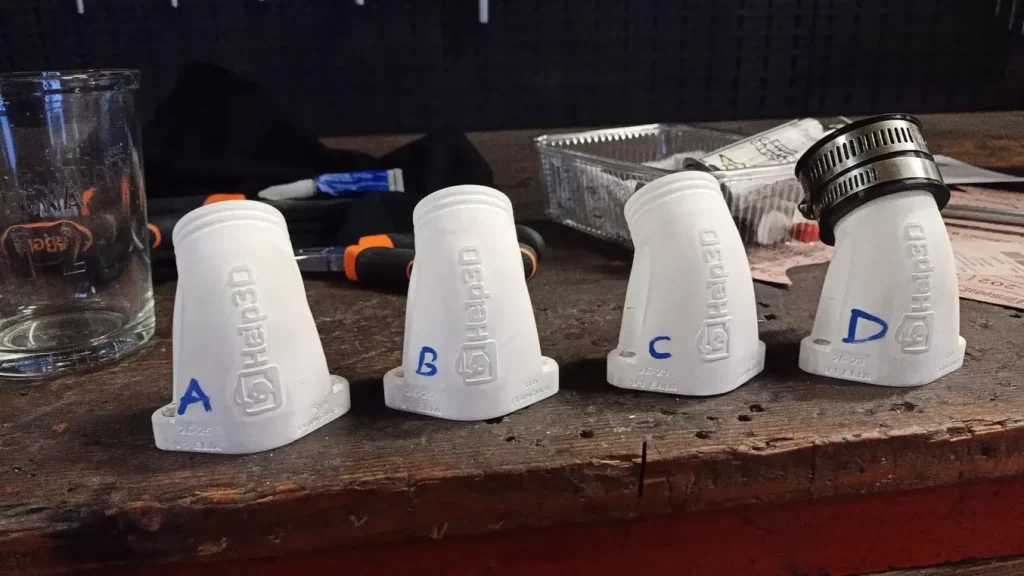
Different versions of the intake manifolds produced with the 3D Printing method.
Manufacturing Research & Developments for Automotive
Elevate initial ideas with low-risk concept models, proof-of-concept (POC) prototypes, and looks-like prototypes. 3D printing empowers you to go from CAD to physical object in no time, and rapidly develop, evaluate, and iterate a range of designs in-house.
Improve Efficiency With 3D Printed Manufacturing Aids
3D printed manufacturing aids are vital tools for addressing common problems that arise during the manufacturing process. This includes the need for custom jigs, fixtures, tools, and replacement parts. Use in-house 3D printing to improve the efficiency of the manufacturing process, reducing costs and enhancing production.
3D printed manufacturing aids for drilling equipments
Batch production without molding, and low MOQ from 1 - 10,000 pcs plastic parts
Bring batch portion without master mold to reduce cost per part with a proven, scalable, and accessible 3D printing ecosystem.
Accelerate Time to Market:
With 3D Printing, there’s no waiting for a machine shop (CNC Machining), or locking in tooling too early, only to change it and add weeks to your development schedule.
Optimize Part Design for Max Efficiency:
Move past the limits of traditional machining or molding – 3D printing creates opportunities for maximum efficiency in part design and assembly.
Reduced cost of manufacturing:
Start producing end-used parts from 1 – 10, 000 pcs, without master mold
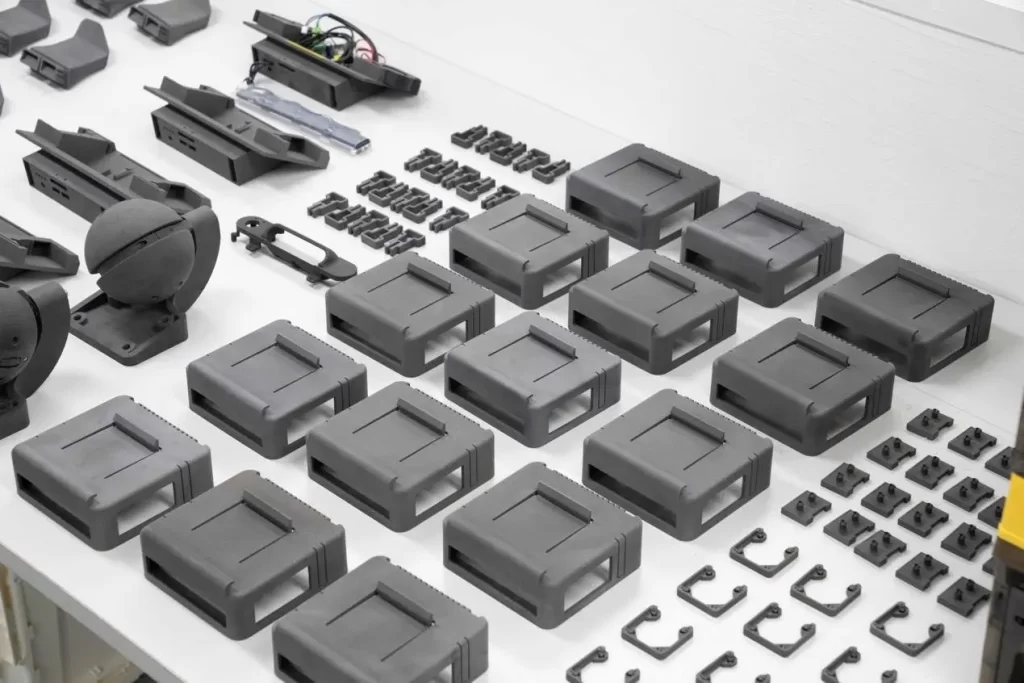
Batch production for automotive parts suing Nylon PA12-CF
General FAQs
We can 3D print a variety of automotive components, including prototypes, custom parts, brackets, housings, interior trims, and even certain functional components. We’ll help you select the right materials based on the intended use and durability needs.
Yes, we use high-strength materials like nylon, ABS, polycarbonate, and carbon-fiber-reinforced filaments designed for automotive applications. These materials provide durability, impact resistance, and temperature stability, essential for automotive performance.
Yes, we offer precise 3D scanning services to capture detailed geometry and measurements of existing automotive parts. This is ideal for duplication, repair, or reverse engineering purposes.
The scanning time varies based on the part's size and complexity. Smaller parts may take an hour or two, while larger or more intricate pieces might require additional time.
Yes, our scanning process includes converting the scanned data into a workable 3D model (CAD file) compatible with most design software, which can then be used for printing or further modification.
We offer several post-processing options, such as sanding, finishing, and priming, to improve the surface quality and strength of the parts. Additional treatments can be applied based on your requirements.
Quick3D Automotive’s large library of automotive-grade and precise model materials represent outstanding value and quality for every industrials application. Learn More
Lead times vary based on part size, complexity, and finishing requirements. A standard component may be completed within a few days, while larger or complex parts may take longer. Contact us with your project details for an accurate timeline.
Pricing depends on the material, size, complexity, and finishing needs. Contact us with your project specifics, and we’ll provide a detailed estimate.
Yes, we respect client confidentiality and can sign NDAs to ensure your designs and data remain secure.
We can offer assistance with installation and fitting through our partner network. For custom or critical components, we working with a experience automotive professional to ensure proper installation. Let us know your needs, and we’ll help coordinate the best approach for a secure fit.
Book a demo session now
Our team of specialists can provide you with more information, help choose a material based on your applications, or request for a service
